UWorld B2C Design System
One foundation, three product teams, each with its own identity.
Design Tokens · Component Libraries · Federation · Governance · Theming · Contribution Models
UX Research · Cross-System Mapping · Multi-Platforms · Accessibility · Usability Testing · CRO
Advanced Prototyping · API Awareness · Handoff Standards · Spec Writing · HTML/CSS
Seven years building the foundations products ship on. Components are usually the easy part.
One foundation, three product teams, each with its own identity.
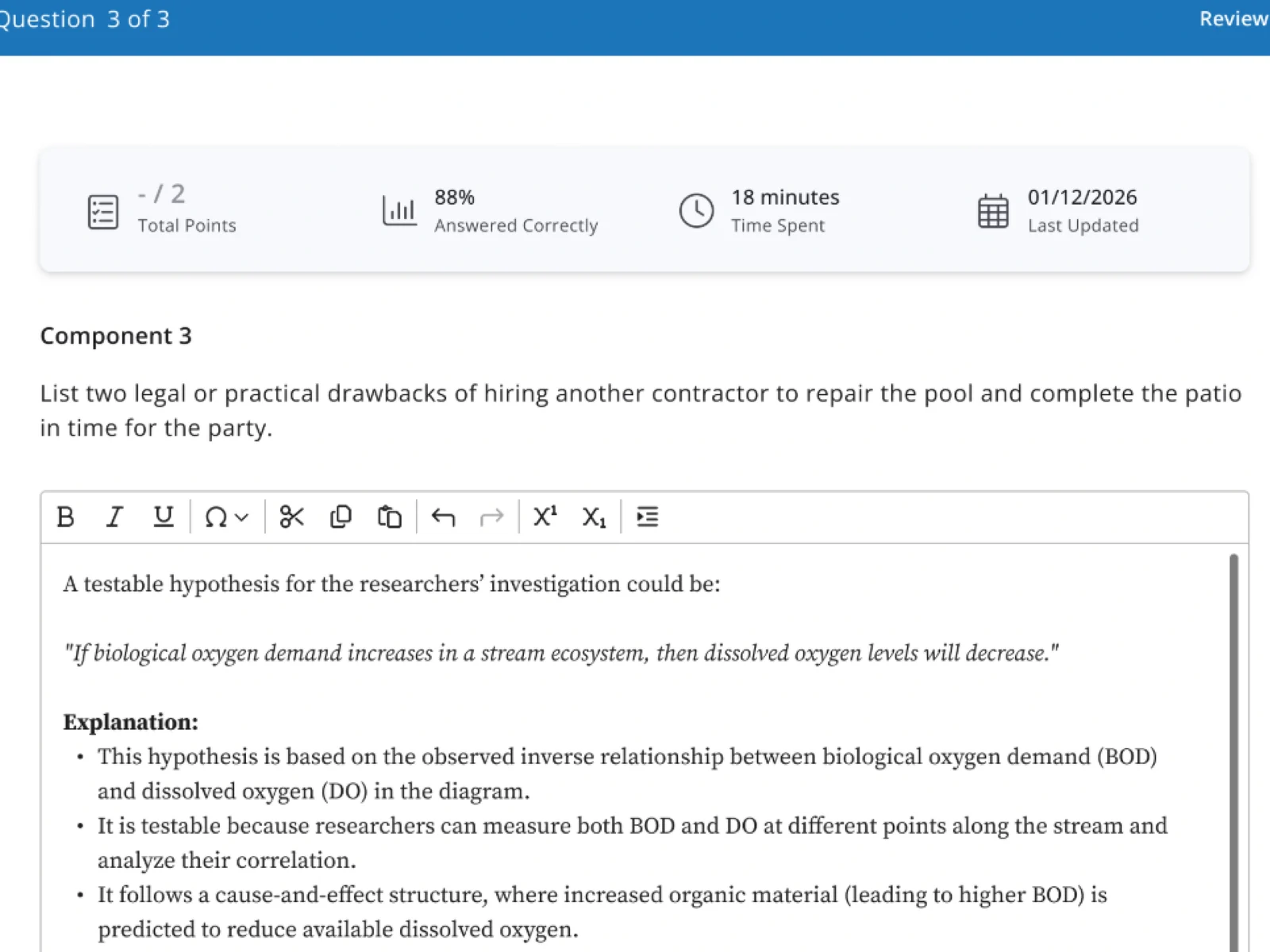
Themis Bar Review
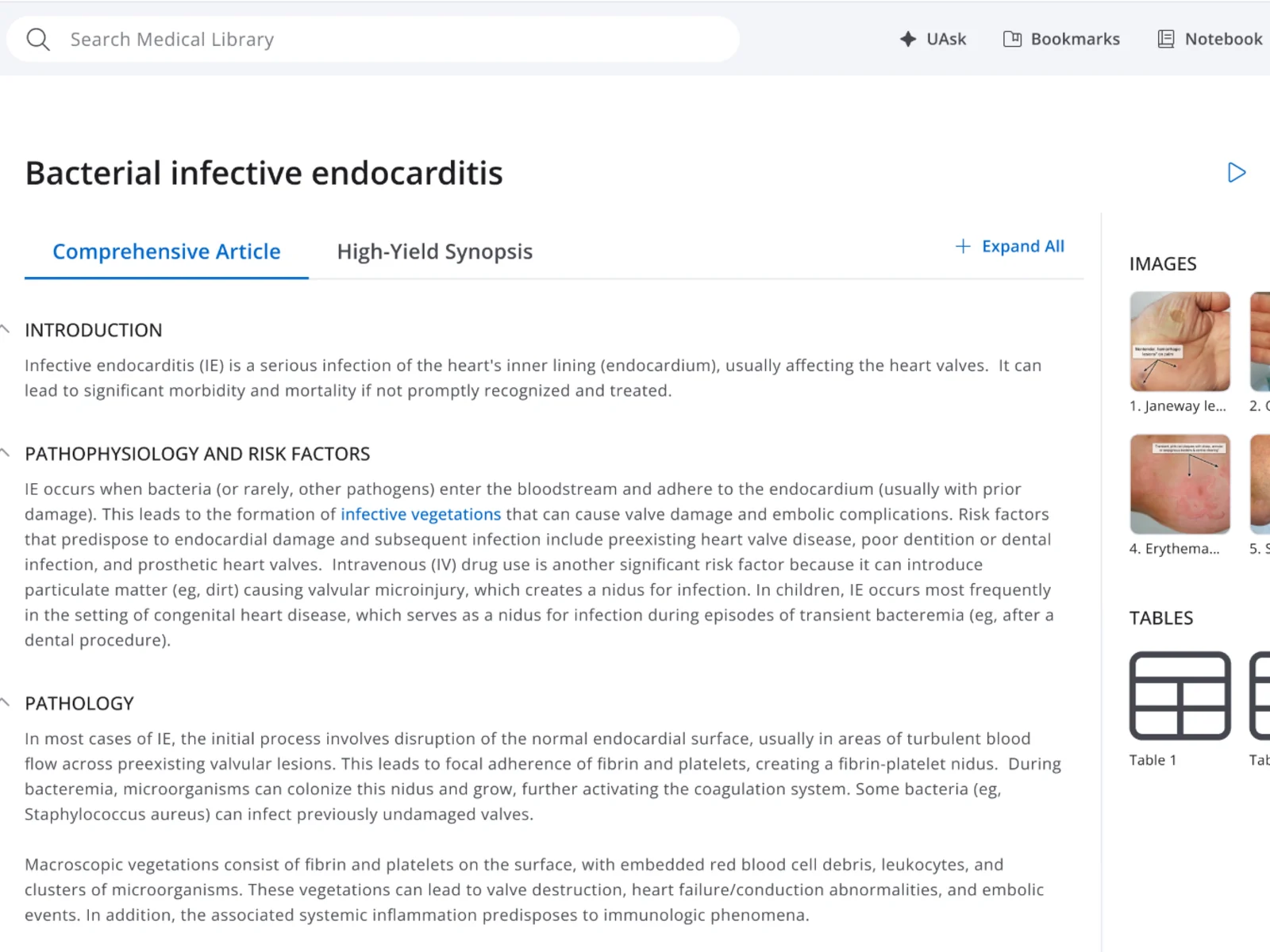
Medical Library
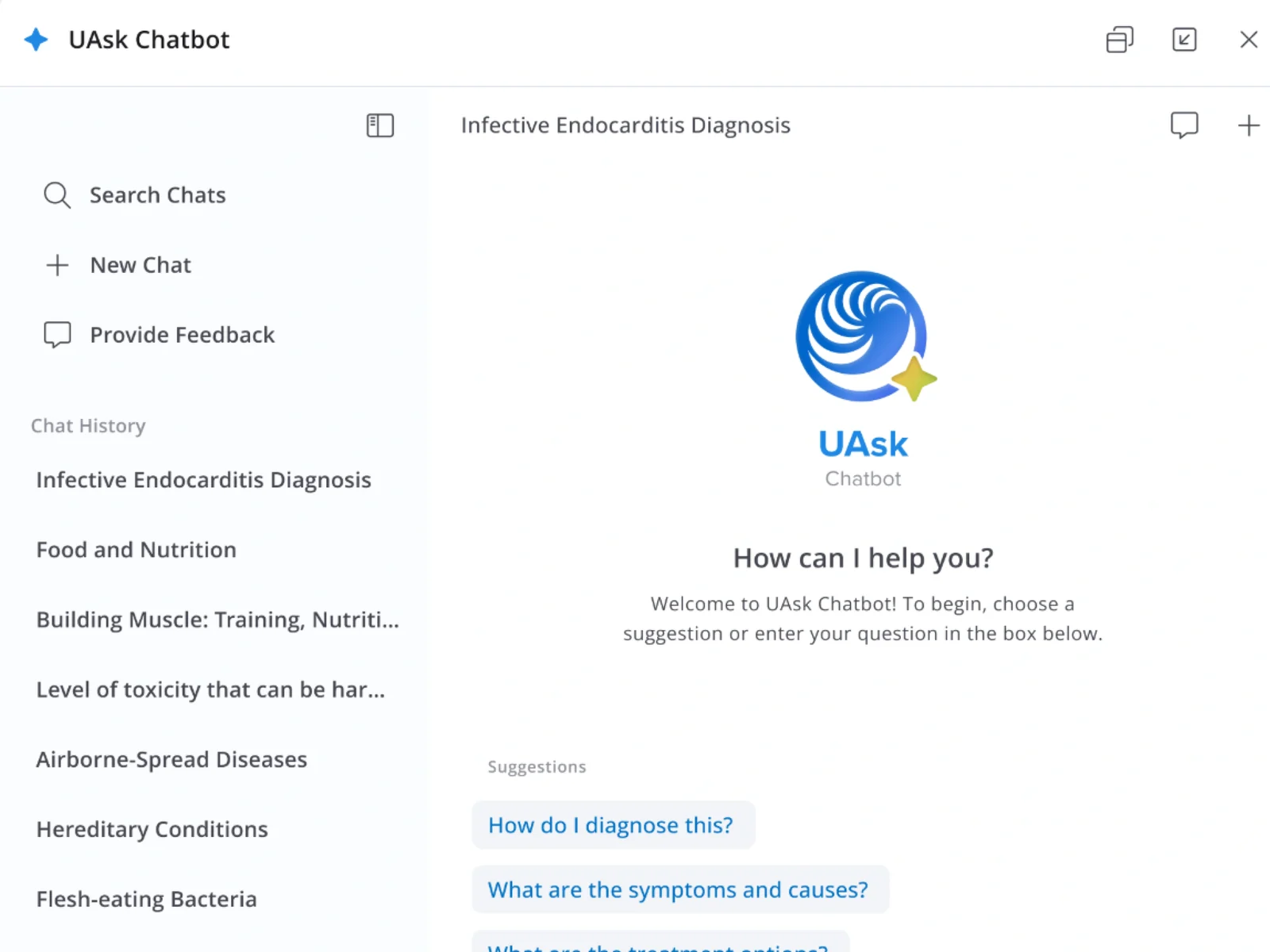
UAsk Chatbot
One system across two native apps and mobile web, held together through a product pivot.
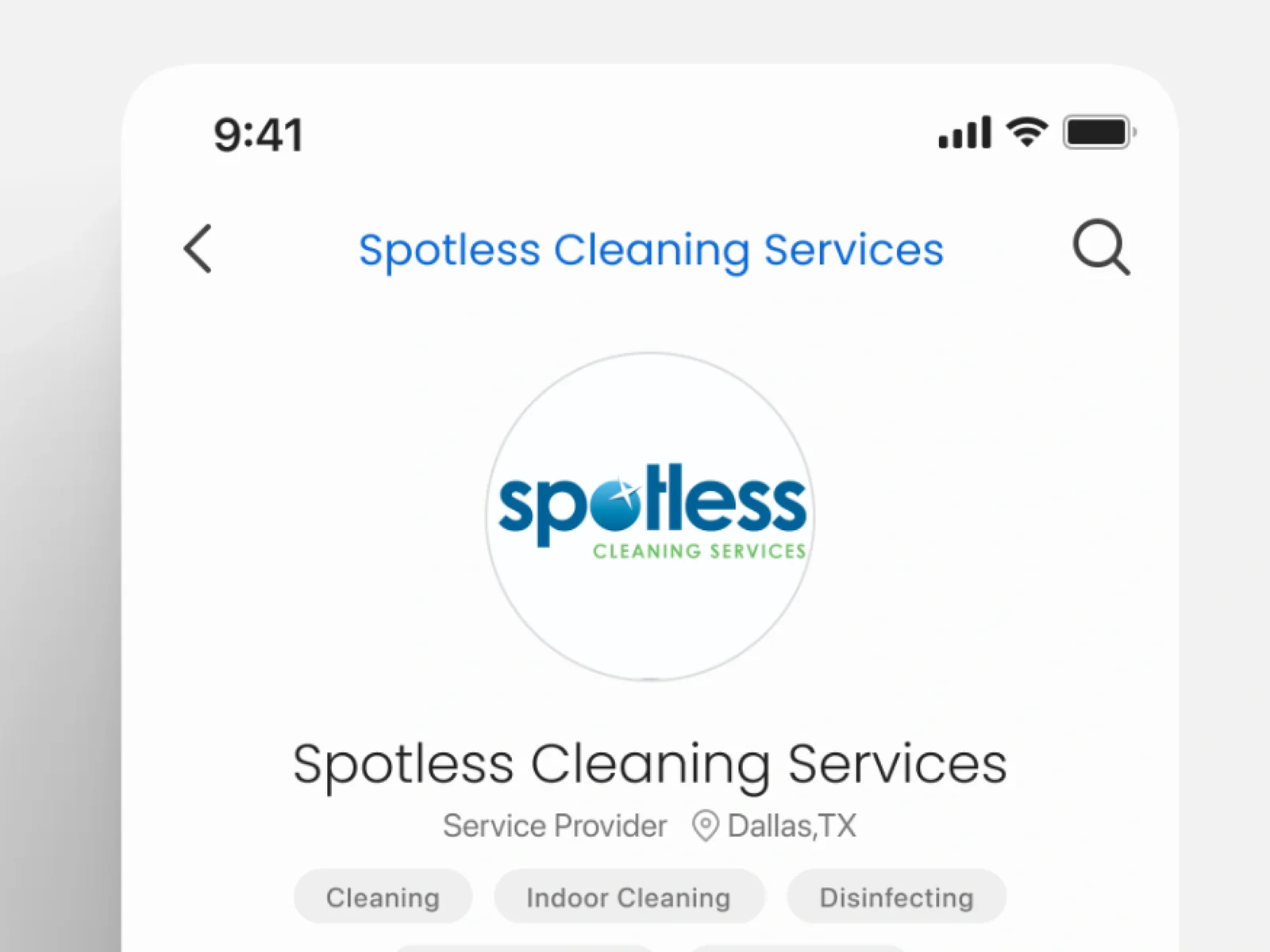
Service Provider App
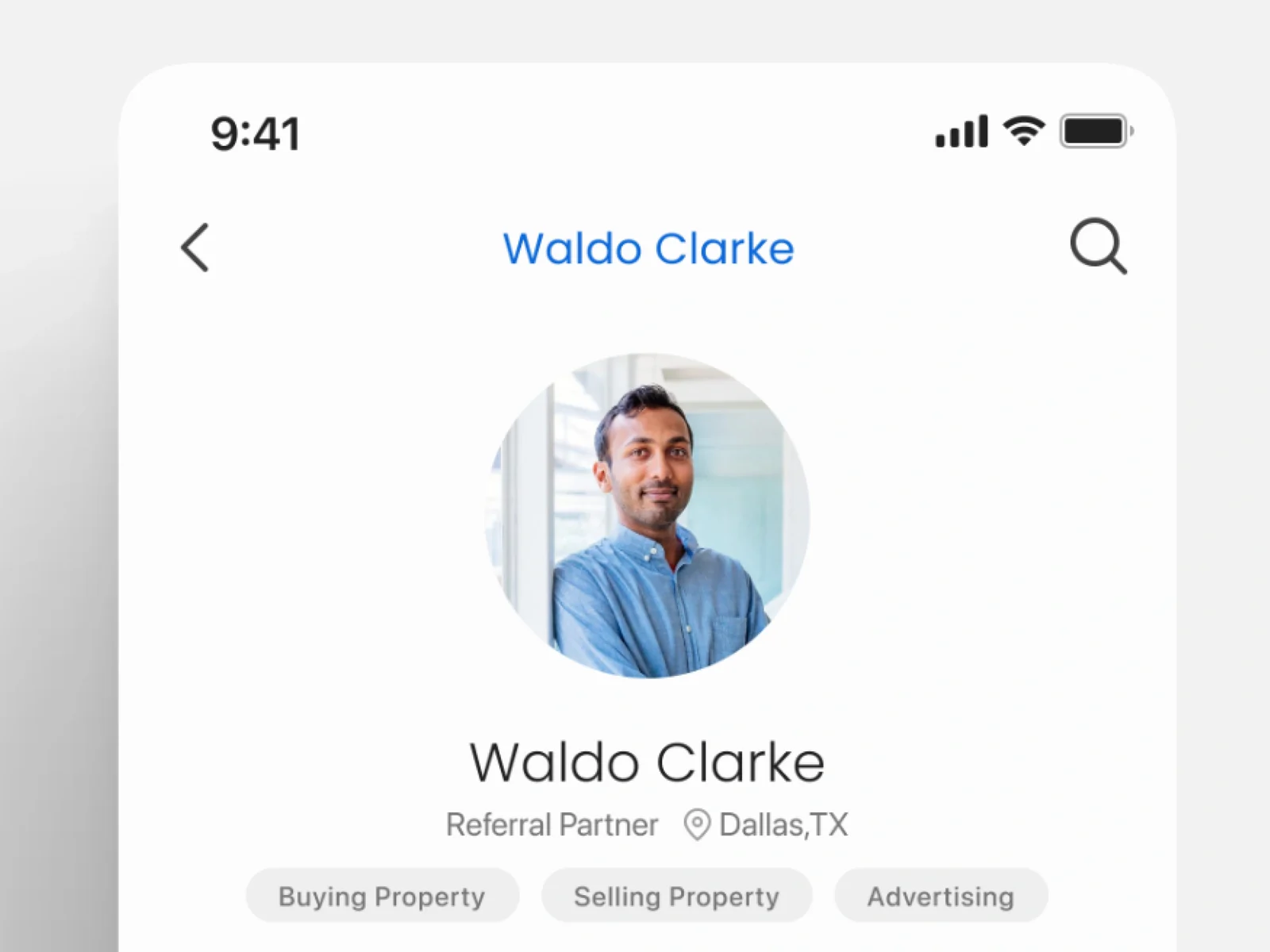
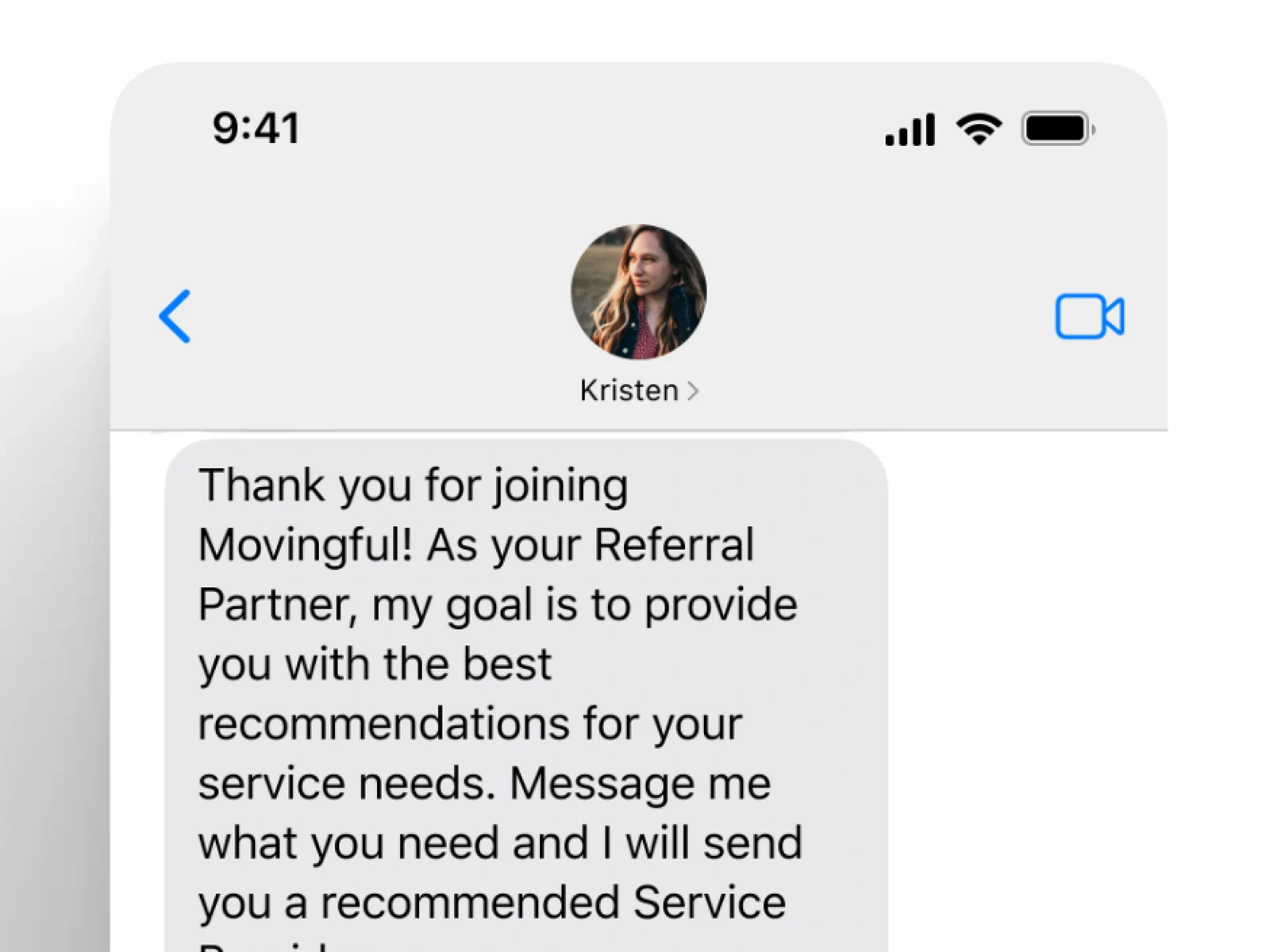
Referral Partner App
Client Mobile Web
A legacy CRM rebuilt around what each role actually does.
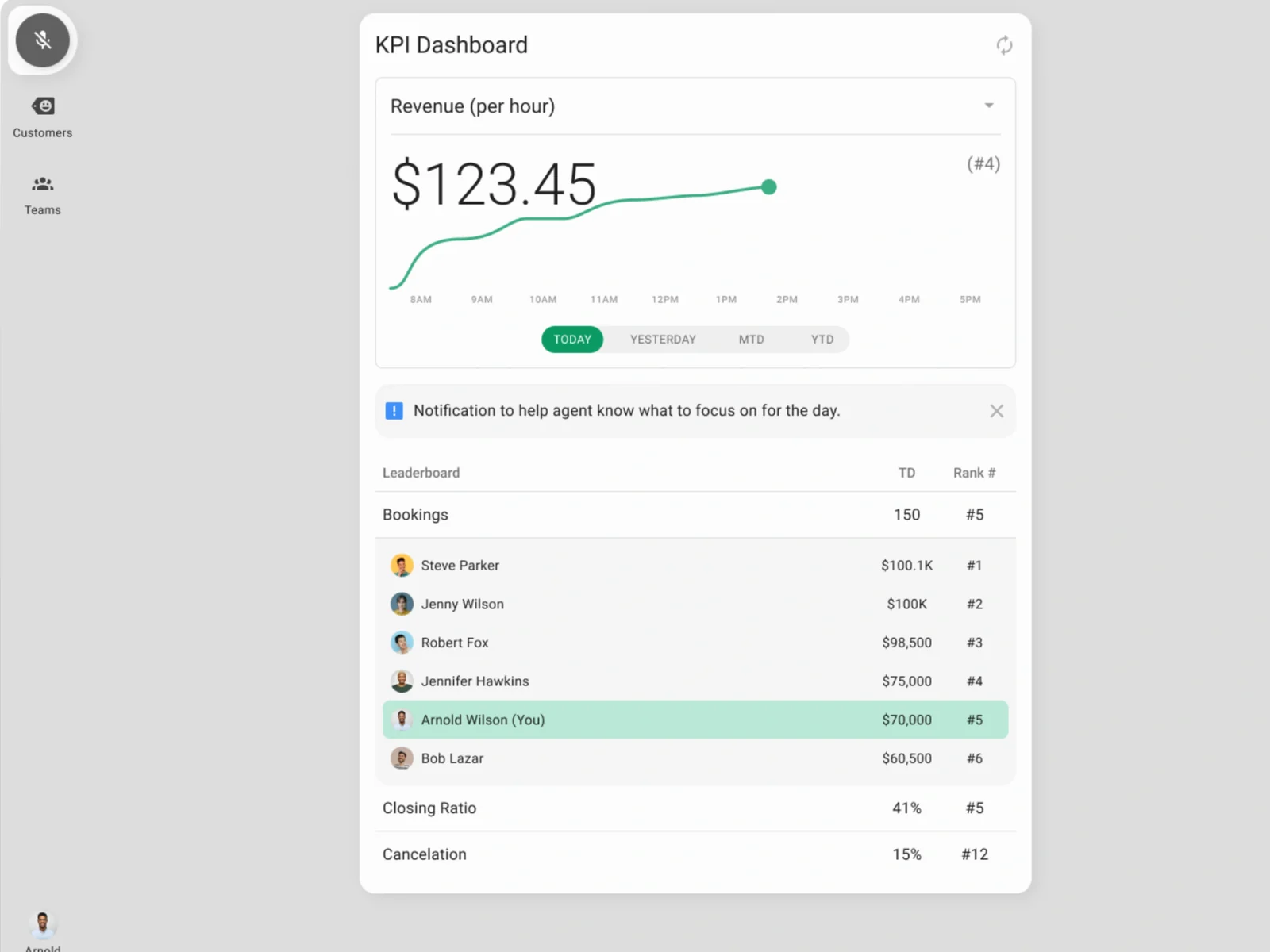
KPI Dashboard
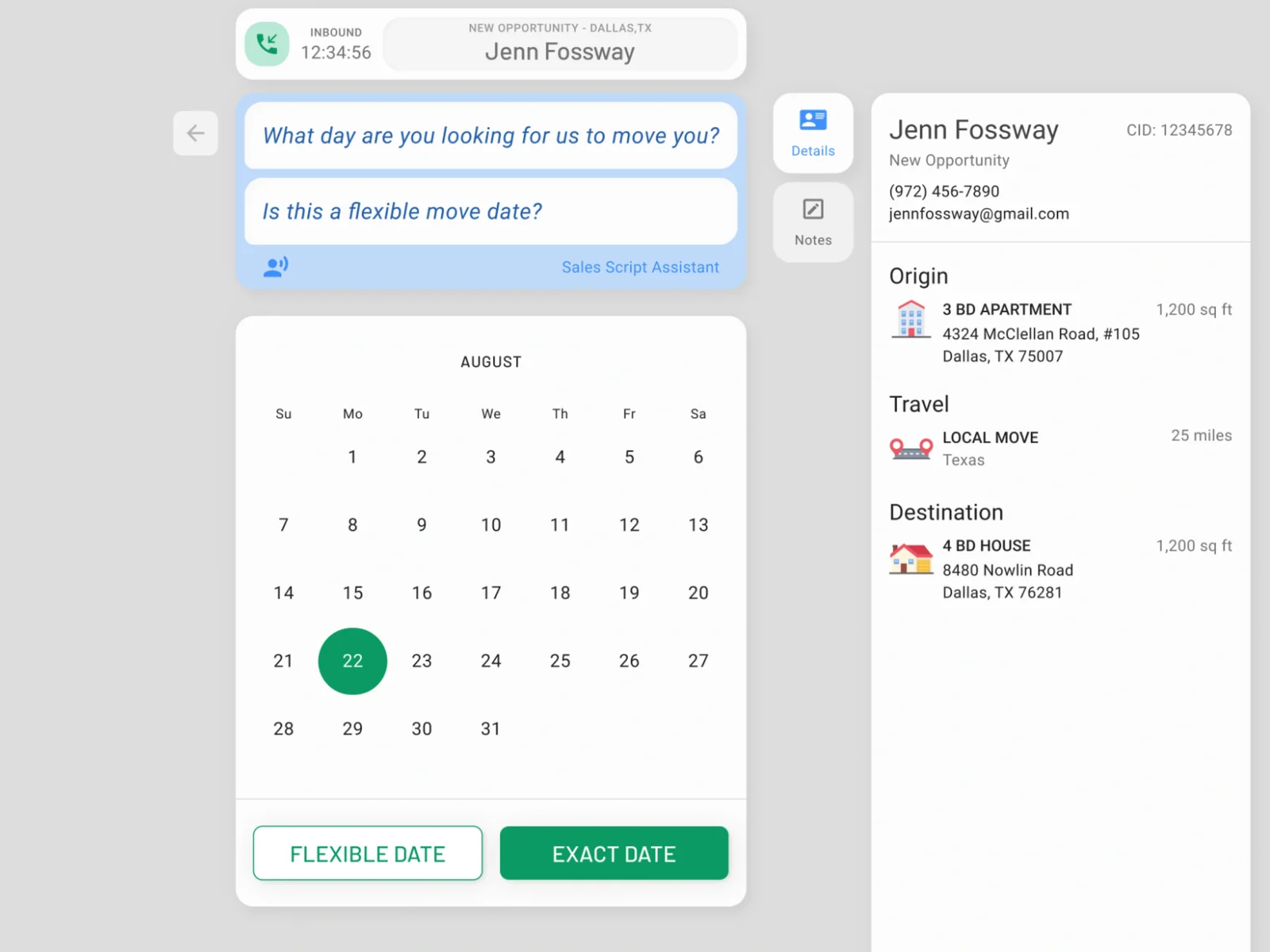
Customer Journey
About Me
The best time to build the foundation is before the third product ships on top of it. If that's where you're at, let's talk.
Dallas-based product designer with seven years of experience building design systems and the products that run on them.
One foundation supports three product teams with distinct identities. Component adoption increased from 60% to 85%, the system enabled four new B2C products, and feature delivery moved from six months to one to three weeks.
Raz led the migration of Themis legal study courses onto UWorld across MPRE, Bar Review, and the NextGen Bar Exam. Shared components, documented patterns, and a consistent token vocabulary aligned two organizations while reaching about 40% of first-time US JD candidates.
A responsive article framework serves students and clinicians across four product surfaces. Research with 1,118 active Step 1 and Step 2 CK students guided improvements as the library grew from more than 600 to more than 1,300 articles.
One configurable interface supports UAsk inside question banks, lectures, eTextbooks, and the Medical Library. A beta with more than 5,000 users and surveys across 3,000 power users helped shape the product, which launched in 11 weeks.
A system of 389 components and 134 tokens served three user roles across two native apps and mobile web. It helped the design team scale from one to four people and absorbed a major layout redesign while avoiding an estimated 60% to 70% of manual redesign work.
Provider profiles work as digital storefronts where local businesses present credentials, receive qualified leads, set referral spending, and collect payment.
A relationship-focused dashboard turns informal word-of-mouth into a trackable network and gives referral partners credit for the business they generate.
A no-login mobile web flow removes app-download friction for homeowners who use the service only a few times during a move.
Raz rebuilt a legacy call-center sales system during live production. The resulting system made CRM tasks 67% faster, reduced engineering rework by 53%, and supported revenue growth above 40%.
A consolidated workspace replaced stacked browser tabs and a separate call tool. Agent-specific data and prioritized zones made login-to-ready time 70% faster and call routing 43% faster.
A guided call flow replaced more than 40 fields, a paper script binder, and a separate call tool, reducing onboarding time by 75% and reaching 96% adoption.